

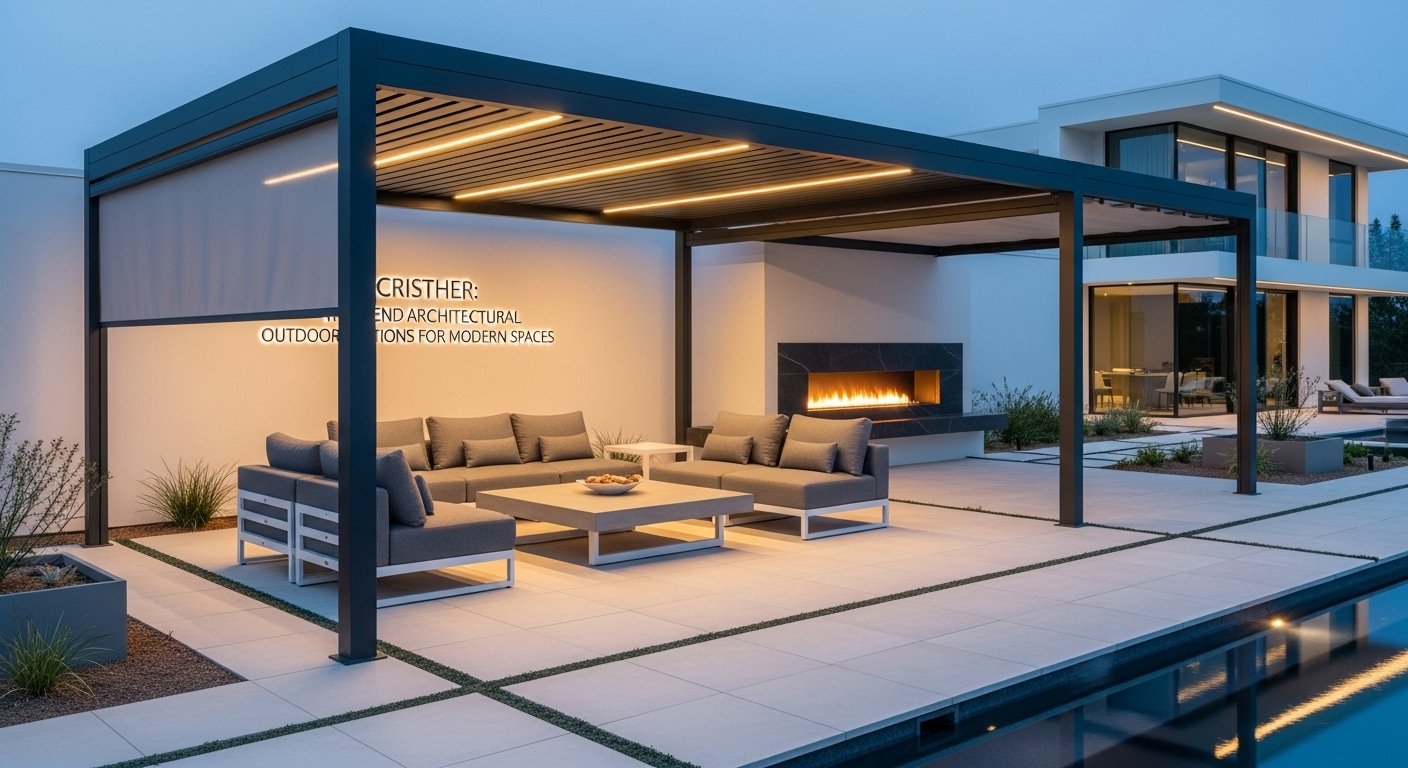
On a sunlit terrace overlooking a quiet city skyline, the difference between a functional space and a memorable one often comes down to design details. Lighting that feels intentional. Structures that blend into their surroundings. Outdoor environments that invite people to stay longer than planned. This is where Cristher enters the conversation, not as just another design name, but as a philosophy shaping how modern outdoor spaces are imagined and experienced.
In recent years, architecture has expanded beyond walls and ceilings. Designers, entrepreneurs, and property developers are now rethinking outdoor environments as extensions of identity. Rooftops have become social hubs, commercial plazas are curated like galleries, and residential gardens double as lifestyle statements. Within this evolution, the work associated with Cristher reflects a broader shift toward outdoor solutions that prioritize aesthetics, sustainability, and long-term value.
The Rise of Architectural Outdoor Design
Urban living has changed dramatically in the past decade. As cities grow denser and real estate becomes more premium, outdoor spaces are no longer secondary features. They are strategic assets. Hospitality brands build their reputation around ambiance. Luxury homes emphasize outdoor continuity. Even corporate campuses rely on exterior design to reinforce culture and creativity.
This transformation has created demand for architectural outdoor solutions that are not only durable but emotionally engaging. Traditional landscaping alone no longer meets expectations. Modern projects require lighting systems, structural elements, and spatial planning that work together as a cohesive narrative.
Cristher sits at the intersection of these expectations. Its growing recognition stems from the ability to merge engineering precision with design sensitivity, offering outdoor solutions that feel both refined and enduring.
Where Design Meets Functionality
One of the most compelling aspects of contemporary outdoor architecture is its dual responsibility. Every element must serve a purpose while contributing to the overall experience. A pathway light is not merely illumination. It is a cue that guides movement. A pergola is not just shelter. It frames perspective and creates rhythm within space.
This design logic defines the approach associated with Cristher. Rather than isolating components, the philosophy revolves around integration. Materials are chosen with climate resilience in mind. Forms are designed to complement architectural language. Even small fixtures are treated as extensions of the broader visual identity.
For entrepreneurs and developers, this level of cohesion translates into tangible value. Properties that invest in thoughtfully designed outdoor environments often command higher engagement, stronger brand perception, and improved long-term returns.
Sustainability as a Design Imperative
Sustainability is no longer a marketing angle. It is a requirement embedded in every modern project. From energy-efficient lighting to responsibly sourced materials, outdoor architecture now carries environmental responsibility alongside aesthetic ambition.
In this context, Cristher’s positioning reflects a growing industry-wide commitment to sustainable innovation. Lighting solutions increasingly rely on low-energy technologies, including advanced LED integrations that reduce consumption without compromising visual quality. Meanwhile, structural elements are designed for longevity, minimizing the need for frequent replacement or resource-heavy maintenance.
The environmental dimension also extends to light pollution and ecological harmony. Outdoor lighting that respects surrounding ecosystems is becoming a priority, particularly in hospitality and residential developments where ambiance must coexist with environmental awareness.
Aesthetic Precision in Modern Landscapes
Design trends come and go, but certain principles remain timeless. Balance, proportion, and subtlety often define truly exceptional outdoor spaces. In contemporary projects, minimalism has become a dominant influence, favoring clean lines and understated elegance.
Cristher’s association with high-end architectural solutions aligns with this movement toward refined minimalism. Instead of overwhelming environments with decorative excess, the emphasis lies in enhancing natural context. Materials are selected for tactile authenticity. Lighting is layered rather than overpowering. Structures are designed to age gracefully.
This restraint is particularly relevant for architects working on premium developments. Clients today value sophistication over spectacle. They seek environments that feel curated rather than constructed, and that expectation shapes the way outdoor design is executed.
Business Value Beyond Visual Appeal
While design conversations often focus on aesthetics, the commercial implications of outdoor architecture are equally significant. In hospitality, outdoor ambiance directly influences dwell time and customer satisfaction. In retail, inviting exteriors can shape foot traffic patterns. For real estate developers, exterior environments contribute to perceived property value.
Cristher’s relevance within this landscape can be understood through its alignment with experiential design trends. Businesses are no longer selling products or services alone. They are selling environments. Outdoor spaces act as physical touchpoints where brand identity becomes tangible.
This shift explains why investors and founders are paying closer attention to exterior architecture. A well-designed outdoor area can become a competitive differentiator, particularly in sectors where customer experience drives loyalty.
Technology’s Growing Role in Outdoor Solutions
The integration of technology into architectural environments is redefining how outdoor spaces function. Smart lighting systems, automation, and adaptive controls are becoming standard features in premium developments. These technologies enable dynamic environments that evolve based on time, weather, or user behavior.
Cristher’s association with forward-looking outdoor solutions reflects this broader technological integration. Smart systems allow property managers to optimize energy usage while maintaining visual consistency. Automated lighting sequences can transform atmospheres throughout the day, shifting from functional brightness to ambient warmth as evening approaches.
For tech-driven founders and developers, this convergence of design and technology represents an opportunity to future-proof projects. Outdoor architecture is no longer static. It is interactive, responsive, and increasingly intelligent.
A Quick Look at What Defines High-End Outdoor Solutions
To better understand the elements that shape premium outdoor architecture today, it helps to look at the components that consistently define high-end environments.
| Element | Role in Modern Outdoor Design | Impact |
|---|---|---|
| Architectural Lighting | Defines mood and visibility | Enhances safety and ambiance |
| Durable Materials | Withstands climate stress | Ensures longevity and ROI |
| Integrated Structures | Creates spatial identity | Improves usability |
| Smart Controls | Enables adaptability | Boosts efficiency |
| Sustainable Design | Reduces environmental footprint | Aligns with modern values |
This combination of factors illustrates why brands and developers increasingly prioritize integrated solutions over fragmented installations. Each component contributes to a unified experience that extends beyond surface-level aesthetics.
The Emotional Dimension of Outdoor Spaces
Perhaps the most overlooked aspect of outdoor architecture is its emotional impact. Spaces influence behavior in subtle yet powerful ways. A softly lit courtyard encourages conversation. A thoughtfully designed garden invites pause. A well-composed rooftop fosters community.
Cristher’s design ethos resonates with this emotional dimension. The focus is not merely on creating visually appealing installations but on shaping environments that evoke feeling. This perspective aligns with the broader movement toward human-centered design, where architecture prioritizes experience alongside structure.
For founders building lifestyle-driven brands, this emotional resonance matters. People remember how spaces make them feel. That memory often becomes part of a brand’s lasting identity.
Why Entrepreneurs Are Paying Attention
Entrepreneurs and startup leaders are increasingly drawn to the strategic potential of outdoor architecture. As digital experiences dominate many aspects of life, physical environments are becoming key differentiators. A memorable space can spark social media visibility, word-of-mouth momentum, and organic brand storytelling.
Cristher’s growing recognition within design conversations reflects this entrepreneurial awareness. Founders are beginning to see outdoor environments not as optional upgrades but as foundational elements of brand experience. Whether it’s a boutique hotel, a co-working campus, or a high-end residential project, exterior design is shaping perception from the first glance.
This mindset shift mirrors broader changes in how businesses think about space. Architecture is no longer static infrastructure. It is a dynamic asset that contributes to storytelling, community building, and long-term differentiation.
The Future of Architectural Outdoor Solutions
Looking ahead, the evolution of outdoor architecture will likely accelerate. Climate challenges, urban density, and lifestyle expectations will continue pushing designers toward smarter and more sustainable solutions. We can expect increased adoption of adaptive lighting, modular structures, and materials engineered for environmental resilience.
Cristher’s positioning within this evolving landscape suggests continued relevance as architectural priorities shift. The convergence of design, sustainability, and technology will shape the next generation of outdoor environments, and brands operating in this space will play a defining role in how cities and communities feel.
For architects and developers, the challenge will be balancing innovation with timelessness. The most successful outdoor spaces will be those that adapt to changing needs while maintaining a consistent sense of identity.
Conclusion
Outdoor architecture has entered a new era where functionality alone is no longer enough. Spaces must inspire, endure, and connect with people on a deeper level. The growing attention around Cristher reflects this shift toward thoughtful, integrated outdoor solutions that combine design intelligence with long-term value.
As cities expand and expectations evolve, the importance of well-designed outdoor environments will only intensify. For entrepreneurs, architects, and developers, investing in high-end architectural outdoor solutions is not simply about aesthetics. It is about shaping experiences that define how people interact with space, brands, and each other.
In the end, the most memorable environments are not those that demand attention but those that quietly elevate everyday moments. That philosophy continues to define the future of modern outdoor design.