

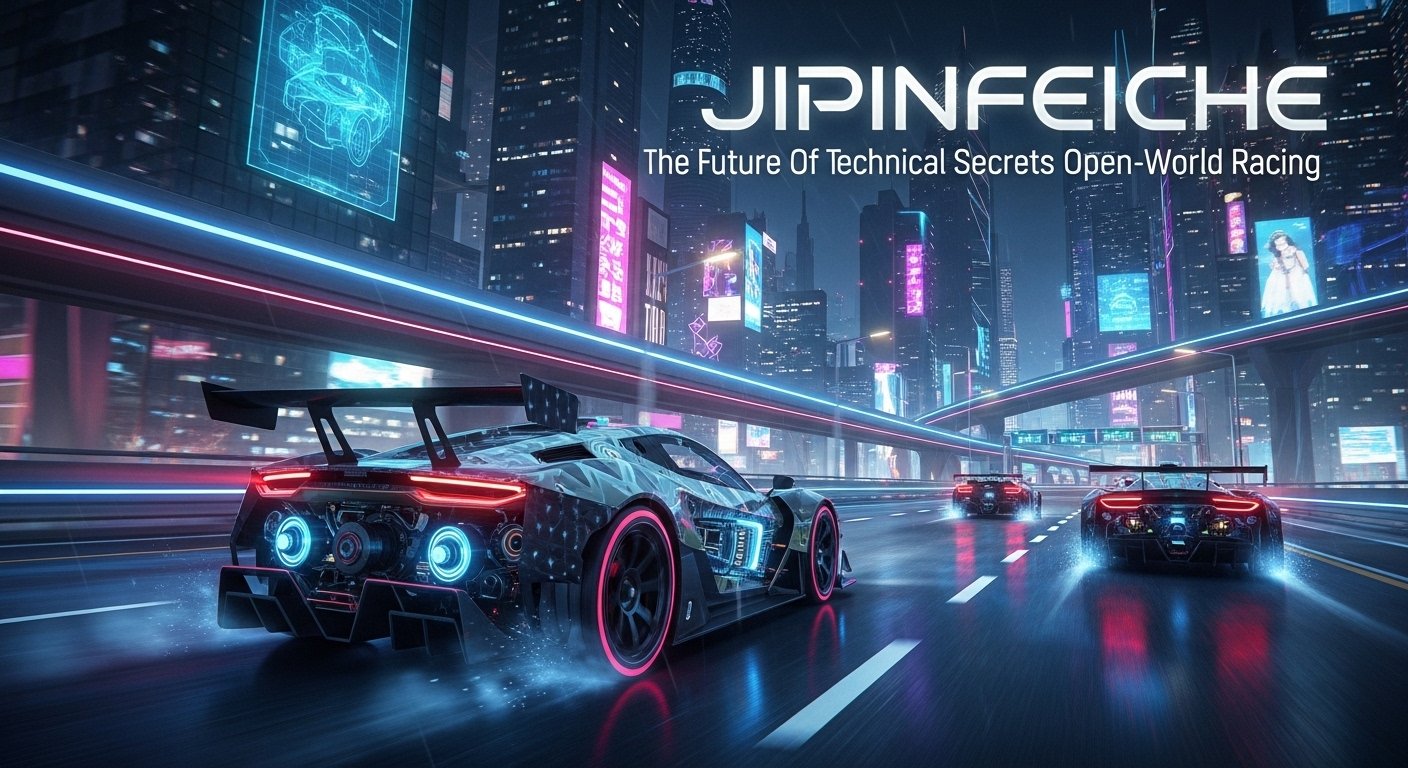
The first time I heard developers quietly mention Jipinfeiche, it was not during a flashy keynote or a press-heavy demo. It came up in a late evening conversation at a regional tech summit, the kind where founders and engineers speak more honestly once the microphones are off. What stood out was not hype, but intent. They talked about building an open world racing experience that treated technology as a living system rather than a background feature. That quiet confidence is what makes Jipinfeiche worth paying attention to.
At its core, Jipinfeiche sits at the intersection of advanced simulation, open world design, and a new philosophy of player driven systems. For entrepreneurs, tech readers, and founders, the project is a case study in how modern digital products are evolving beyond surface level features into deeply interconnected ecosystems.
Understanding the Core Idea Behind Jipinfeiche
Jipinfeiche is not simply another open world racing title chasing visual realism. Its defining idea is the exposure of technical systems that are usually hidden from players. Physics models, AI decision making, environmental data, and vehicle performance logic are designed to interact dynamically in real time. Instead of being locked behind scripted outcomes, these systems respond to player behavior, hardware conditions, and even network variables.
This approach reflects a broader shift in technology. Users no longer want polished illusions alone. They want systems that react, learn, and adapt. In Jipinfeiche, racing is not just about speed. It becomes an exploration of how complex technical layers work together under pressure.
Why Open World Racing Is Evolving Now
The timing of Jipinfeiche is not accidental. Open world gaming has matured, and audiences have grown more technically literate. Players understand frame rates, physics engines, and server latency better than ever. They notice when systems feel artificial.
From a business perspective, this mirrors trends in software and platforms. Products that succeed today tend to expose more control and transparency to users. Think of analytics dashboards, customizable workflows, or developer focused APIs. Jipinfeiche applies that mindset to interactive entertainment, turning technical depth into part of the experience rather than something to hide.
Technical Secrets as a Design Philosophy
What makes Jipinfeiche particularly interesting is how it treats technical complexity as a narrative element. Weather systems affect traction in ways that go beyond visual effects. AI drivers adjust strategies based on player history rather than fixed difficulty settings. Vehicle tuning reflects real engineering tradeoffs, not just stat boosts.
This philosophy has implications beyond gaming. It demonstrates how complex systems can be made engaging without being overwhelming. By surfacing cause and effect clearly, Jipinfeiche teaches users to think systemically. For founders building complex products, this is a powerful lesson in user experience design.
Jipinfeiche and the Role of Data Driven Worlds
Data is the invisible engine behind Jipinfeiche. Every corner of its open world generates streams of information, from terrain friction values to traffic flow patterns. Instead of using this data only for optimization, the platform feeds it back into gameplay.
Below is a simplified view of how key systems interact within Jipinfeiche.
| System Component | Function in the Open World | Impact on Player Experience |
|---|---|---|
| Physics Engine | Calculates real time vehicle behavior | More authentic handling and risk |
| AI Logic Layer | Adapts opponents to player style | Races feel unpredictable |
| Environmental Data | Tracks weather and terrain changes | Strategic route decisions |
| Performance Analytics | Monitors player choices | Personalized progression |
This layered approach is similar to how modern digital platforms operate. Data collection is only valuable when it informs meaningful responses. Jipinfeiche turns analytics into action, which is why its world feels alive rather than scripted.
Real World Relevance for Entrepreneurs and Tech Leaders
For tech leaders, Jipinfeiche offers more than entertainment value. It reflects how next generation products are being built. Systems are modular, responsive, and designed for long term evolution. Updates do not just add content. They reshape how existing components interact.
This mirrors trends in SaaS, AI platforms, and smart infrastructure. Products are no longer finished at launch. They are frameworks that grow over time. Jipinfeiche demonstrates how to maintain coherence while allowing continuous change, a challenge many founders face.
Community as a Co Creator, Not Just an Audience
Another defining aspect of Jipinfeiche is its relationship with its community. Technical transparency invites experimentation. Players analyze mechanics, share data driven insights, and even influence future development through feedback loops.
This is closer to open source culture than traditional game publishing. While the core platform remains curated, the dialogue between developers and users shapes the roadmap. For businesses, this highlights the value of treating users as collaborators rather than passive consumers.
Avoiding the Trap of Over Complexity
One risk with any technically ambitious project is alienating users. Jipinfeiche addresses this through layered accessibility. Casual players can enjoy the surface experience without understanding every system. More advanced users can dive deeper, tweaking setups and studying patterns.
This balance is critical. It reflects good product strategy where depth is optional but rewarding. The lesson here is not to simplify systems excessively, but to design clear entry points at every level of engagement.
The Competitive Landscape and Differentiation
Open world racing is a crowded space, but Jipinfeiche differentiates itself by focusing on systemic integrity rather than sheer scale. Instead of endless maps or vehicle lists, it invests in how every element interacts.
From a strategic standpoint, this is a reminder that differentiation often comes from depth, not breadth. In technology markets, products that win are not always the loudest. They are the ones that feel thoughtful and resilient over time.
Long Term Implications for Interactive Technology
Looking ahead, Jipinfeiche hints at where interactive systems are headed. As hardware improves and AI becomes more adaptive, users will expect environments that respond intelligently. Static content will feel dated.
This expectation will extend beyond games into education, simulation, and enterprise tools. Platforms that model real world complexity transparently will gain trust and engagement. Jipinfeiche is an early example of how that future might look.
Conclusion
Jipinfeiche is not important because it promises faster cars or bigger maps. It matters because it rethinks how technical systems can be part of the story rather than hidden machinery. By embracing transparency, data driven design, and community collaboration, it offers a blueprint for interactive products that feel alive and honest.
For entrepreneurs, tech readers, and founders, the lesson is clear. The future belongs to platforms that respect user intelligence and invite them into the system. Jipinfeiche shows that when complexity is handled with care, it becomes not a barrier, but a competitive advantage.